Unblend.me, HIPAA & PHI: A Secure Digital Space for Your Internal Family
Your IFS work is deeply personal. Here's how Unblend.me keeps your Parts, your healing, and your PHI protected with rigorous HIPAA compliance.
Get started now Start free
Expert insights, research, and guidance on AI in mental health care. Learn about the future of therapy, different modalities, and how technology is transforming mental wellness.

Your IFS work is deeply personal. Here's how Unblend.me keeps your Parts, your healing, and your PHI protected with rigorous HIPAA compliance.

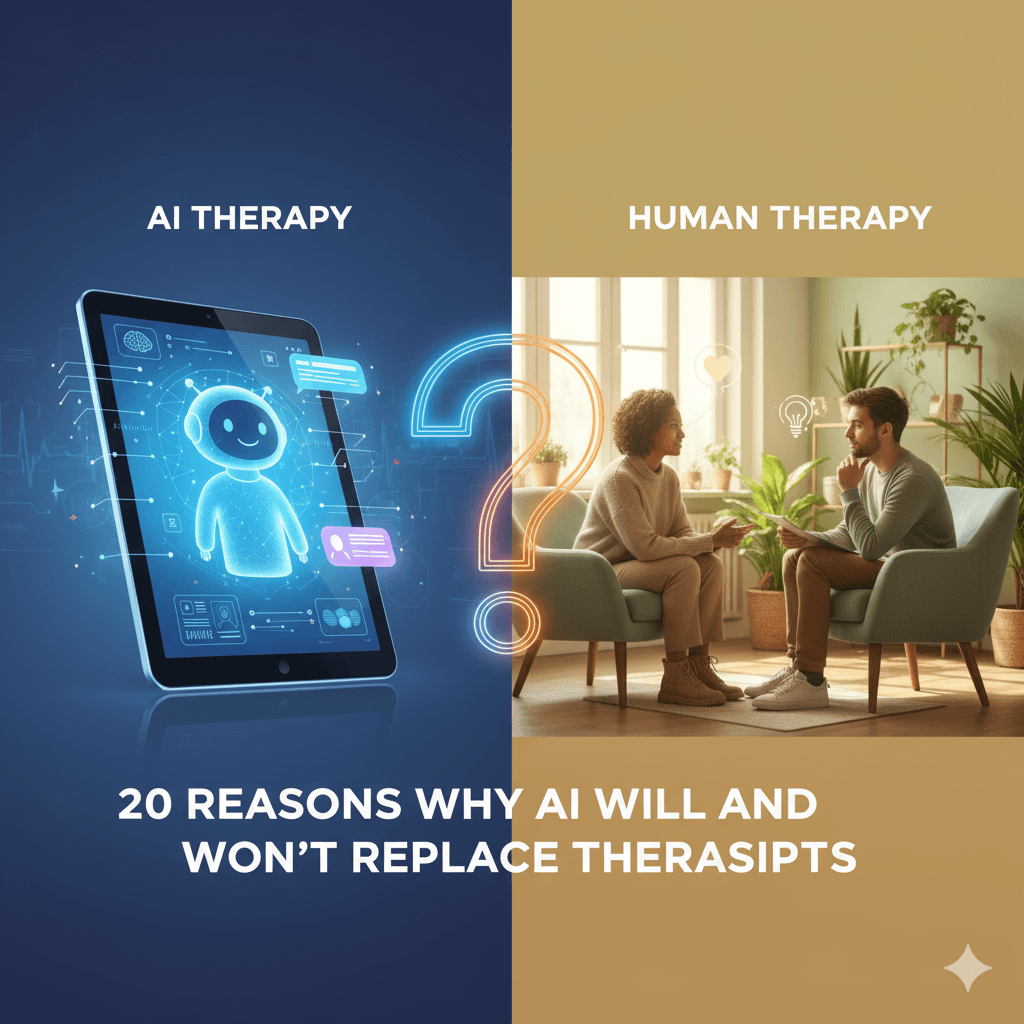
Artificial intelligence is changing how we think about mental health care. From chatbots to virtual assistants, AI promises affordability, scalability, and 24/7 access. But at the same time, therapy is deeply human grounded in empathy, trust, and connection.

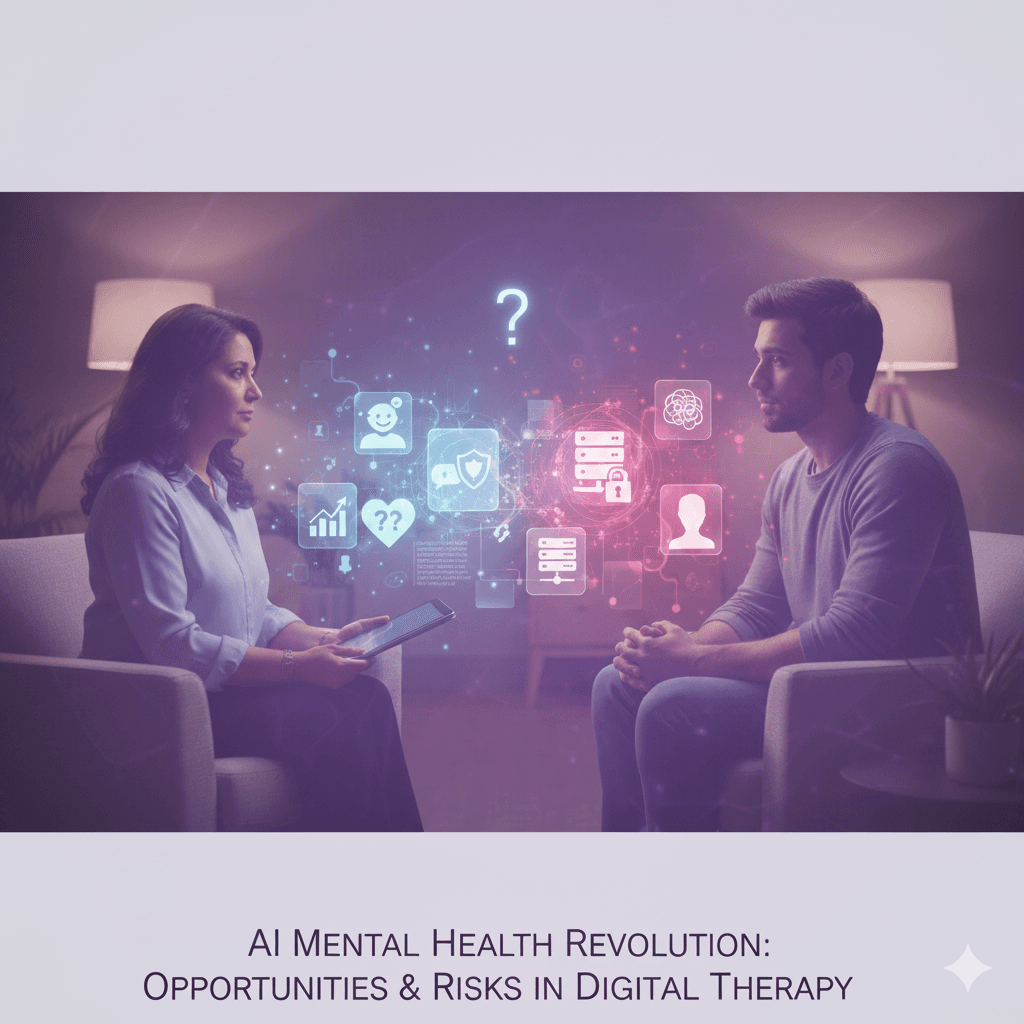
Artificial intelligence has entered nearly every part of our lives and now it's entering therapy rooms. From chatbots that listen at 2 a.m. to algorithms that flag suicide risk, AI in mental health is both exciting and alarming.

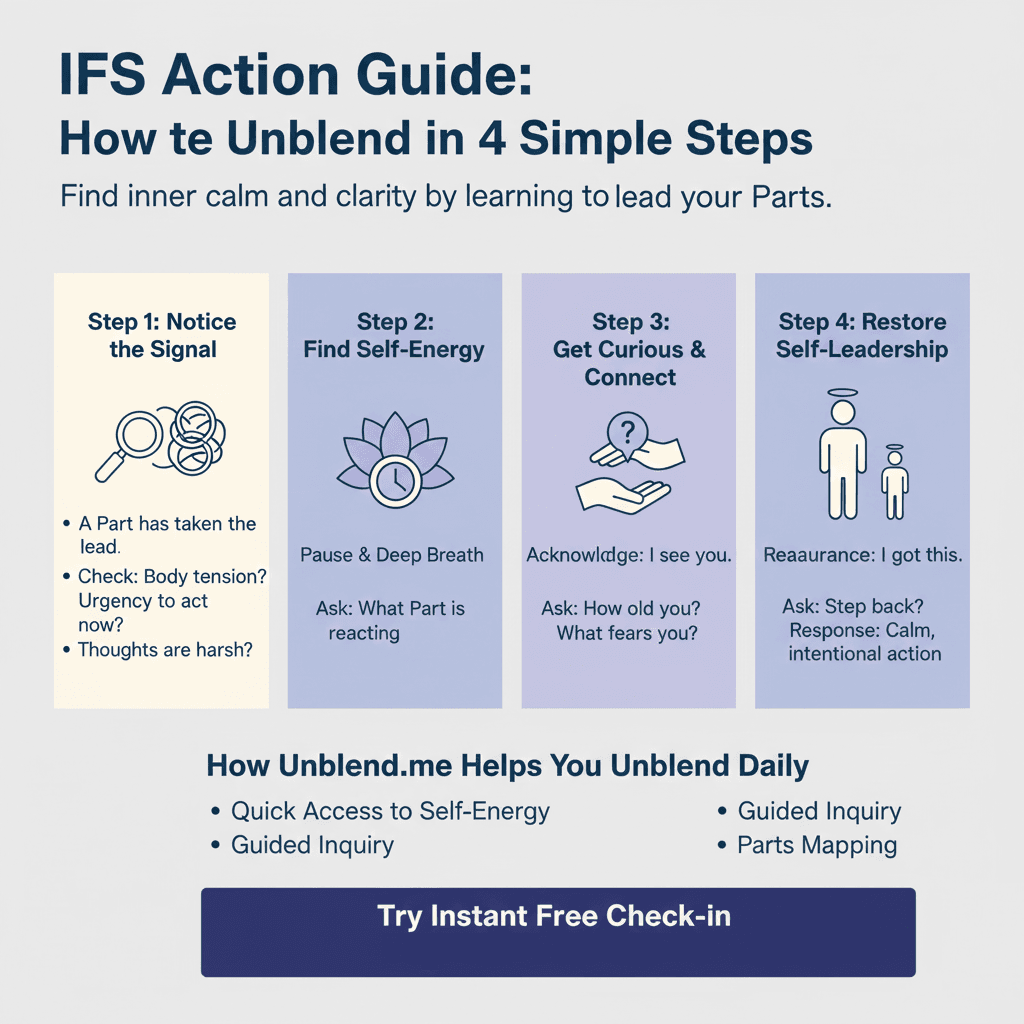
If you've ever reacted intensely and later wondered, 'Why did I say that?', you’ve experienced blending. In Internal Family Systems, blending is when a Part takes over your thoughts, emotions, or behaviors — and your Self temporarily steps aside.

Unblending is the active practice of recognizing that you are not your emotional reaction. It's about pausing, breathing, and using curiosity and compassion to connect with the Part that has taken over—and ultimately regaining leadership of your inner system.

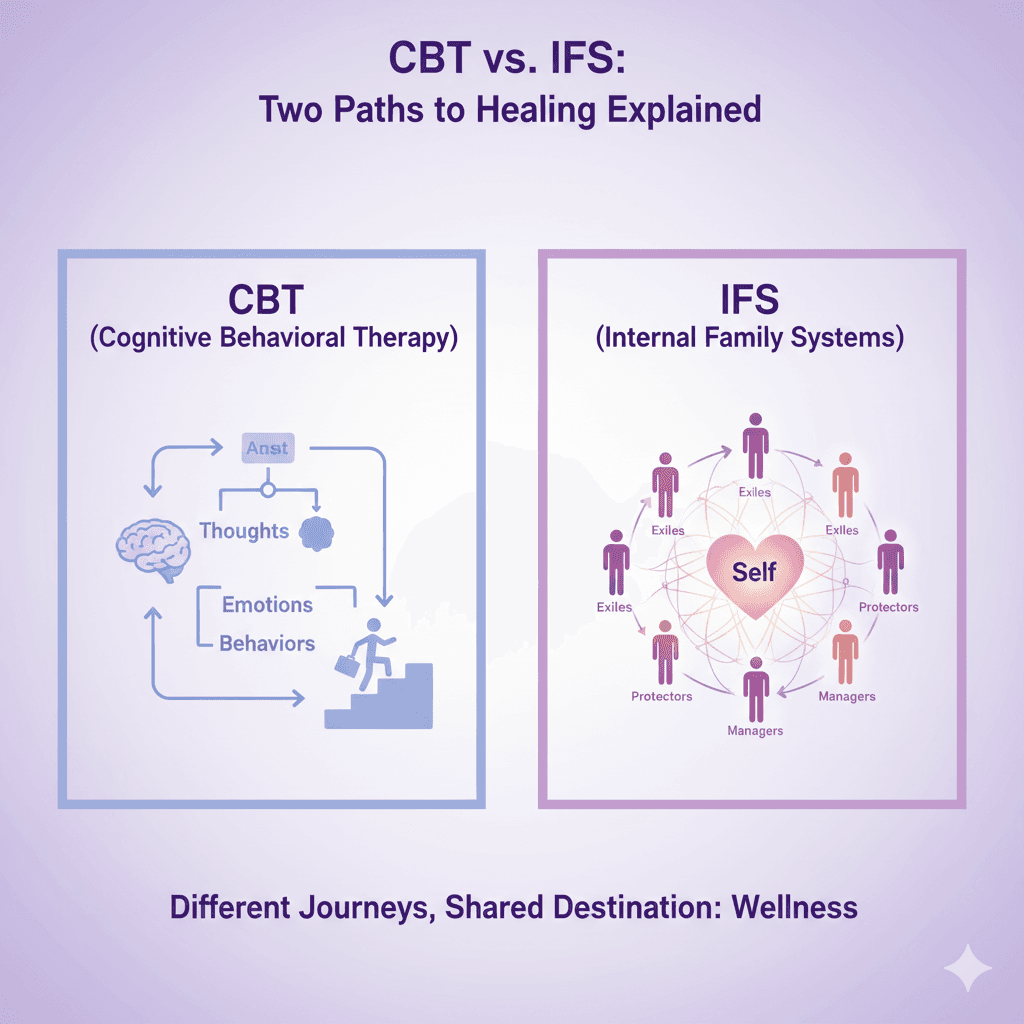
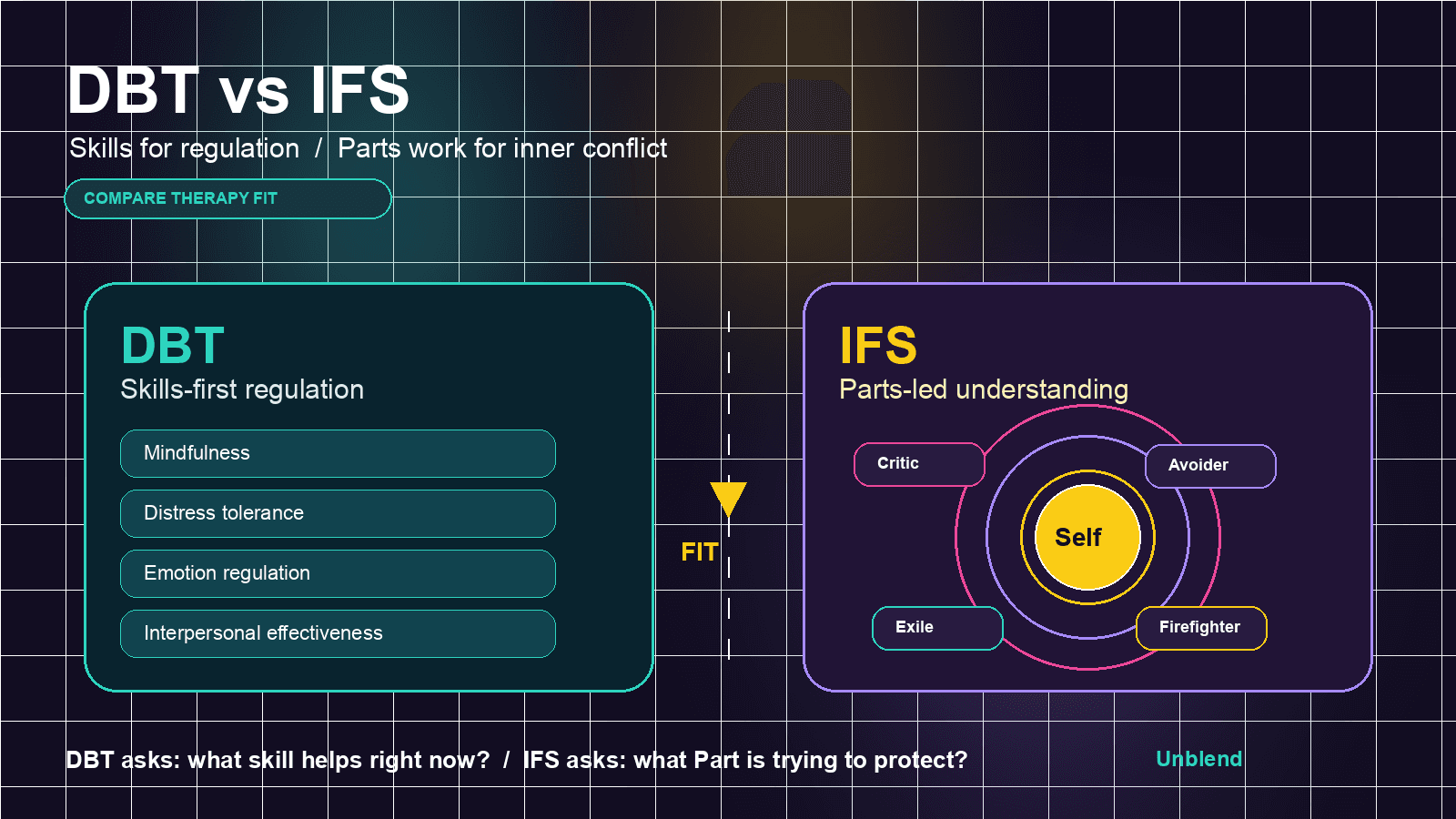
When it comes to therapy, no single approach works for everyone. Two modalities often compared are Cognitive Behavioral Therapy (CBT) and Internal Family Systems (IFS). Both aim to reduce suffering and increase self-understanding but they take very different paths to get there.
We're continuously researching and writing about the intersection of AI and mental health. Subscribe to stay updated on the latest developments, research findings, and expert perspectives.